Introduction
Steel is one of the most important engineering materials in the world, serving as the foundation of infrastructure, transportation, construction, energy, and manufacturing industries. However, producing high-quality steel requires more than iron ore and basic refining processes. Modern steelmakers rely heavily on ferroalloys to achieve specific chemical compositions and mechanical properties.
Understanding the role of ferroalloys in steel production is essential for manufacturers, procurement teams, and industrial buyers seeking to improve product quality and operational efficiency.
Today, ferroalloys are considered among the most important steelmaking raw materials, contributing directly to the performance, durability, and reliability of steel products used across countless industries.
What Are Ferroalloys?
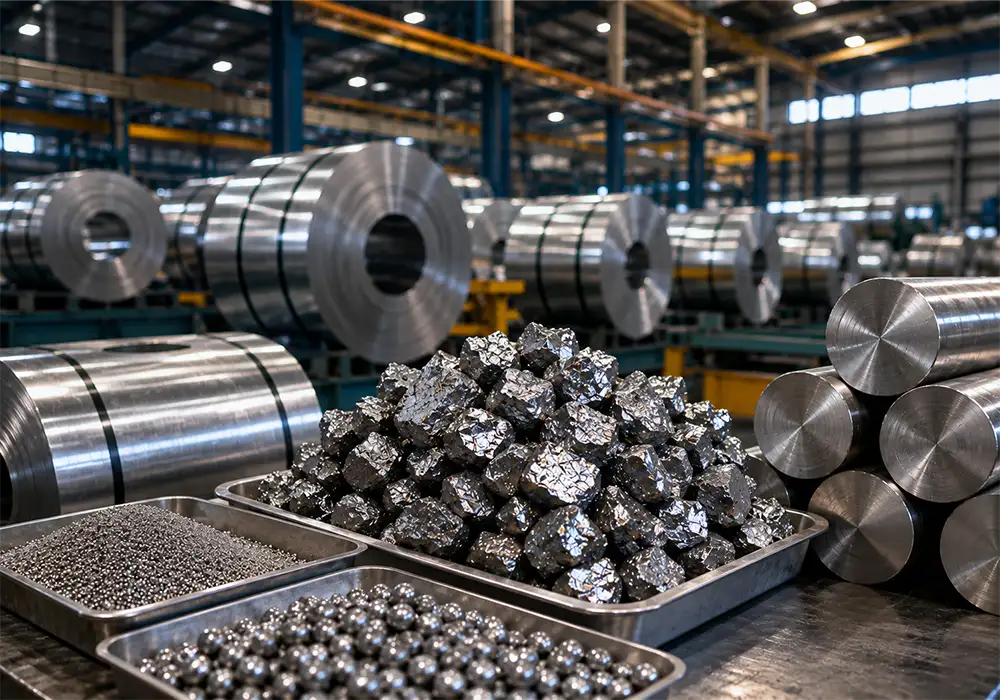
Ferroalloys are alloys composed primarily of iron combined with one or more elements such as silicon, manganese, chromium, molybdenum, vanadium, or nickel.
These materials are added during steelmaking to improve:
- Mechanical strength
- Hardness
- Toughness
- Corrosion resistance
- Wear resistance
- Heat resistance
Without ferroalloys, it would be impossible to manufacture many of the advanced steel grades used in modern industrial applications.
The importance of ferroalloys in steel production continues to increase as global industries demand stronger, lighter, and more durable materials.
Why Are Ferroalloys Essential in Steel Production?
The primary purpose of ferroalloys is to modify and enhance steel properties.
During steelmaking, ferroalloys perform several critical functions:
Deoxidation
Oxygen present in molten steel can create defects and reduce quality. Ferroalloys such as Ferrosilicon remove excess oxygen and improve steel cleanliness.
Alloying
Ferroalloys introduce beneficial elements into steel, allowing manufacturers to achieve precise chemical compositions.
Property Enhancement
Specific ferroalloys improve:
- Tensile strength
- Yield strength
- Hardness
- Ductility
- Impact resistance
Process Optimization
High-quality ferroalloys contribute to stable production processes and improved metallurgical efficiency.
This is why ferroalloys in steel production remain indispensable across modern steel manufacturing facilities.
Major Types of Ferroalloys Used in Steelmaking
Ferrosilicon (FeSi)
Ferrosilicon is one of the most widely consumed ferroalloys worldwide.
Its primary functions include:
- Steel deoxidation
- Alloying
- Cast iron inoculation
Benefits include improved steel quality and enhanced metallurgical performance.
Silico Manganese (SiMn)
Silico Manganese combines manganese and silicon in a single alloy.
It is used to:
- Remove oxygen
- Improve strength
- Increase wear resistance
- Enhance toughness
Many steel plants rely on SiMn as a cost-effective alloying solution.
Ferro Manganese (FeMn)
Ferro Manganese plays a vital role in sulfur control and alloying.
Advantages include:
- Increased hardness
- Improved tensile strength
- Better durability
It remains one of the most important ferroalloys in global steelmaking.
Ferro Silico Manganese (FeSiMn)
This alloy combines the benefits of both manganese and silicon.
Applications include:
- Carbon steel production
- Structural steel manufacturing
- High-strength steel grades
Its versatility makes it highly valuable in modern steel plants.
Specialized Ferroalloys
Additional ferroalloys commonly used in advanced steel production include:
- Ferro Chrome (FeCr)
- Ferro Vanadium (FeV)
- Ferro Molybdenum (FeMo)
- Ferro Nickel (FeNi)
- Ferro Titanium (FeTi)
These materials help manufacturers produce specialty steel grades for demanding industrial applications.
Benefits of Ferroalloys in Steel Production
Improved Mechanical Properties
One of the biggest advantages of ferroalloys in steel production is their ability to significantly enhance steel performance.
Benefits include:
- Higher strength
- Improved toughness
- Better fatigue resistance
- Increased durability
Enhanced Corrosion Resistance
Certain ferroalloys improve resistance to corrosion and oxidation, extending product lifespan and reducing maintenance costs.
Greater Wear Resistance
Industries such as mining, construction, and heavy manufacturing require steel capable of withstanding extreme wear conditions.
Ferroalloys help achieve these performance characteristics.
Better Heat Resistance
Advanced steel grades used in power plants, industrial furnaces, and engineering projects often require superior thermal stability.
Specific alloying elements provide these benefits.
Increased Production Efficiency
Reliable ferroalloys contribute to:
- Reduced production defects
- Better process control
- Improved consistency
- Higher manufacturing productivity
Industries That Depend on Ferroalloys
The impact of ferroalloys in steel production extends far beyond steel mills.
Key industries include:
Construction
Structural steel used in buildings, bridges, and infrastructure projects relies heavily on ferroalloy-enhanced steel grades.
Automotive Manufacturing
Modern vehicles require lightweight yet strong materials that can withstand demanding operating conditions.
Energy Sector
Power plants, renewable energy projects, and transmission infrastructure depend on advanced steel products.
Oil & Gas Industry
Steel used in pipelines and drilling equipment often requires specialized alloying elements.
Mining and Heavy Equipment
Wear-resistant steel produced using ferroalloys is essential for mining and industrial machinery.
Global Demand for Ferroalloys
As global industrialization continues, demand for ferroalloys continues to grow.
Major factors driving market growth include:
- Urbanization
- Infrastructure development
- Renewable energy investments
- Automotive production
- Industrial expansion
Emerging economies continue to increase their steel production capacity, creating new opportunities for ferroalloy suppliers worldwide.
This trend reinforces the strategic importance of steelmaking raw materials across global supply chains.
Choosing a Reliable Ferroalloys Supplier
Selecting the right ferroalloys supplier can significantly impact production performance and procurement efficiency.
Important considerations include:
Product Quality
Verify chemical composition consistency and quality assurance procedures.
Supply Reliability
Ensure the supplier can support regular and large-volume requirements.
Export Experience
International buyers should work with suppliers familiar with logistics, customs procedures, and documentation.
Technical Support
A knowledgeable supplier can help customers select the right ferroalloys for their applications.
Long-Term Partnership Potential
Strong supplier relationships contribute to supply-chain stability and business growth.
The Future of Ferroalloys in Steel Production
As steel technology evolves, the demand for advanced alloying materials is expected to increase.
Future trends include:
- Higher-performance steel grades
- Sustainable manufacturing practices
- Improved metallurgical efficiency
- Advanced alloy development
- Digitalized production systems
These developments will further strengthen the role of ferroalloys in shaping the future of global manufacturing.
Conclusion
The importance of ferroalloys in steel production cannot be overstated. From improving mechanical properties and corrosion resistance to enhancing manufacturing efficiency and product quality, ferroalloys remain fundamental to modern steelmaking.
As industries continue to demand higher-performance materials, the need for reliable ferroalloy supply will only increase. Manufacturers, foundries, and industrial buyers who understand the value of quality ferroalloys are better positioned to achieve consistent production results and long-term success.
Partnering with an experienced ferroalloys supplier ensures access to high-quality materials, dependable service, and the support needed to thrive in today’s competitive industrial environment.