Introduction
In today’s competitive steel industry, manufacturers continuously seek materials that improve production efficiency, enhance product quality, and optimize manufacturing costs. Among the many ferroalloys used in metallurgical processes, Ferrosilicon (FeSi) remains one of the most widely utilized and strategically important materials.
As a powerful deoxidizer and alloying agent, Ferrosilicon (FeSi) plays a critical role in steelmaking, cast iron production, and various metallurgical applications. Its ability to improve steel properties while ensuring cleaner production processes makes it indispensable for steel plants and foundries worldwide.
In this comprehensive guide, we will explore what Ferrosilicon is, how it is produced, its applications, available grades, key benefits, and important considerations when selecting a reliable Ferrosilicon supplier.
What is Ferrosilicon (FeSi)?
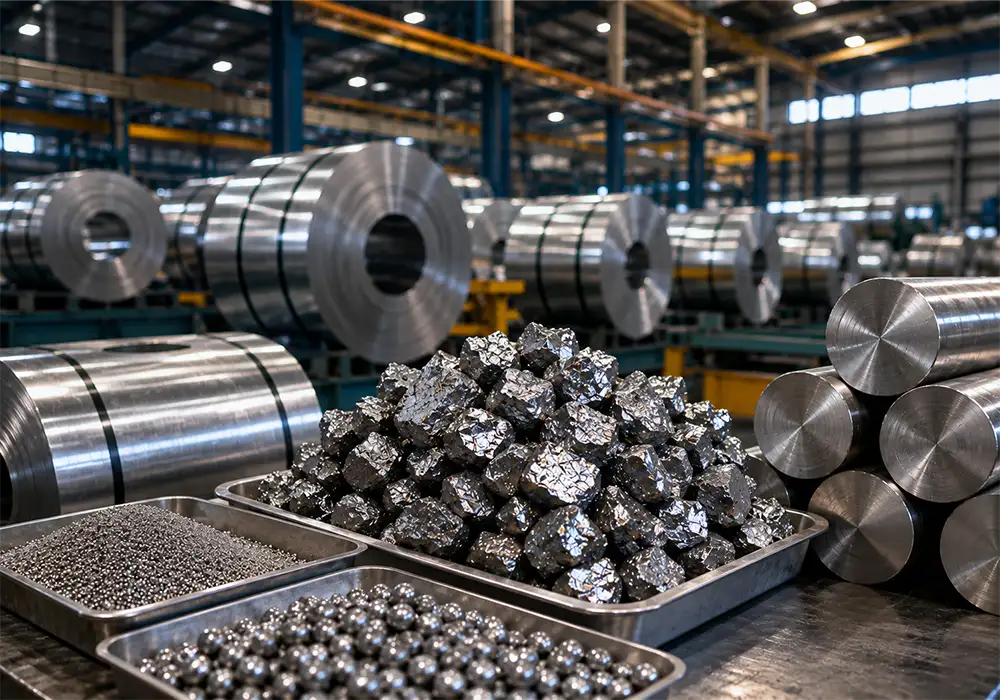
Ferrosilicon (FeSi) is a ferroalloy composed primarily of iron and silicon. It is produced through the reduction of silica in electric arc furnaces, resulting in an alloy that typically contains between 65% and 75% silicon.
Due to its unique chemical properties, Ferrosilicon is extensively used in metallurgical industries where precise control of oxygen content and alloy composition is essential.
The most common commercial grades include:
- FeSi 65%
- FeSi 70%
- FeSi 72%
- FeSi 75%
Each grade serves specific industrial requirements depending on the desired silicon content and production process.
How Ferrosilicon is Produced
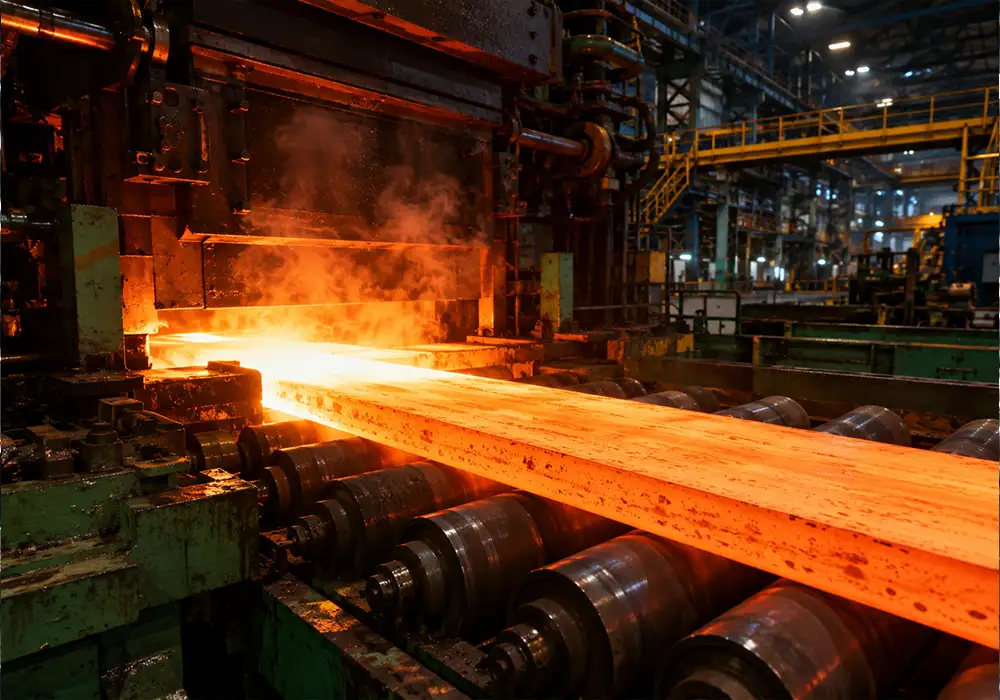
The production of Ferrosilicon (FeSi) involves the reduction of quartz (silica) using carbon sources such as coke and coal in submerged electric arc furnaces.
The process requires:
- High-quality quartz
- Iron sources
- Carbon reductants
- Controlled furnace conditions
After smelting, the alloy is cooled, crushed, screened, and classified into various particle sizes according to customer requirements.
Modern production facilities employ strict quality control procedures to ensure consistent chemical composition and optimal metallurgical performance.
Why is Ferrosilicon Important in Steelmaking?
One of the primary reasons Ferrosilicon in steelmaking is so important is its exceptional deoxidizing capability.
During steel production, dissolved oxygen can negatively affect the quality and mechanical properties of steel. Ferrosilicon reacts with oxygen to form stable oxides that are removed from the molten metal.
Benefits include:
- Cleaner steel production
- Improved mechanical properties
- Enhanced toughness
- Better surface quality
- Reduced production defects
As a result, Ferrosilicon in steelmaking has become a standard component in modern steel manufacturing processes.
Major Applications of Ferrosilicon
1. Steel Manufacturing
The largest consumption of Ferrosilicon (FeSi) occurs in steel production.
Steelmakers use Ferrosilicon to:
- Remove oxygen from molten steel
- Improve alloy composition
- Increase corrosion resistance
- Enhance strength and durability
High-quality steel grades often require precise additions of Ferrosilicon during production.
2. Cast Iron Production
Ferrosilicon is widely used as an inoculant in cast iron manufacturing.
It helps:
- Improve graphite formation
- Reduce chill formation
- Enhance casting quality
- Improve machinability
This application is especially important in ductile iron and gray iron production.
3. Alloy Steel Production
Many alloy steels require silicon as an alloying element.
Ferrosilicon contributes to:
- Increased hardness
- Better wear resistance
- Improved heat resistance
- Enhanced strength-to-weight ratio
4. Magnesium Production
Ferrosilicon also plays a vital role in the production of magnesium through the Pidgeon process.
Its reducing properties make it an essential raw material for magnesium extraction.
5. Welding Electrode Manufacturing
The welding industry utilizes Ferrosilicon to improve weld quality and metallurgical performance.
This helps produce stronger and more reliable welded joints.
Common Ferrosilicon Grades
FeSi 65
Contains a minimum of 65% silicon.
Suitable for:
- General steelmaking
- Foundry applications
- Cost-sensitive projects
FeSi 72
One of the most commonly used grades globally.
Advantages include:
- Excellent deoxidation performance
- Balanced cost and efficiency
- Wide industrial acceptance
FeSi 75
Contains approximately 75% silicon.
Preferred for:
- High-grade steel production
- Specialized metallurgical applications
- Premium alloy manufacturing
Selecting the right grade depends on production requirements, technical specifications, and operational goals.
Benefits of Using High-Quality Ferrosilicon
Improved Production Efficiency
Quality Ferrosilicon ensures more predictable metallurgical reactions and reduces material waste.
Consistent Chemical Composition
Reliable products provide stable performance and reduce production variability.
Better Steel Quality
Using premium-grade Ferrosilicon (FeSi) improves mechanical properties and overall product quality.
Reduced Manufacturing Costs
Efficient deoxidation and alloying contribute to lower operational expenses and improved productivity.
Enhanced Process Control
High-quality ferroalloys allow manufacturers to achieve tighter control over steel chemistry and production outcomes.
Factors to Consider When Choosing a Ferrosilicon Supplier
Selecting the right Ferrosilicon supplier is essential for maintaining production efficiency and product consistency.
Important evaluation criteria include:
Product Quality
Verify chemical composition, certifications, and testing procedures.
Supply Reliability
Choose suppliers with strong sourcing networks and dependable delivery performance.
Export Experience
International buyers should work with suppliers experienced in global logistics and export documentation.
Packaging Flexibility
Reliable suppliers should offer packaging options suitable for different transportation and storage requirements.
Customer Support
Responsive communication and technical assistance can significantly improve procurement efficiency.
A trusted Ferrosilicon supplier becomes an important partner in ensuring long-term operational success.
Global Demand for Ferrosilicon
The demand for Ferrosilicon in steelmaking continues to grow alongside global steel production.
Key drivers include:
- Infrastructure development
- Construction projects
- Automotive manufacturing
- Renewable energy projects
- Industrial expansion
As steel demand increases worldwide, the need for reliable Ferrosilicon supply remains strong across international markets.
Conclusion
Ferrosilicon (FeSi) is one of the most essential ferroalloys used in modern metallurgy. Its role as a deoxidizer, alloying agent, and process enhancer makes it indispensable for steel manufacturers, foundries, and industrial producers worldwide.
Understanding the various grades, applications, and benefits of Ferrosilicon helps procurement teams and metallurgical professionals make informed purchasing decisions. Whether used in steelmaking, cast iron production, or specialized alloy manufacturing, high-quality Ferrosilicon contributes directly to improved product performance and operational efficiency.
For businesses seeking consistent quality, reliable supply, and professional export support, partnering with an experienced Ferrosilicon supplier is a critical step toward long-term success.